
Quick answer: what should Austin homeowners budget?
One third-party Austin cost guide publishes a broad planning range of $2–$6 per square foot of home floor area for professional interior painting, including paint and materials in its model. The figures below use that one measurement method only:
| Home size | Broad planning range | What it does not tell you |
|---|---|---|
| 1,500 sq ft | $3,000–$9,000 | Wall condition, ceilings, trim, furniture, and access |
| 2,000 sq ft | $4,000–$12,000 | Number of coats, colors, repairs, and product choice |
| 2,500 sq ft | $5,000–$15,000 | Actual paintable surface area and project scope |
These examples multiply the published $2–$6 range by the home’s floor area. They are not prices promised by VAM Services LLC. Some cost guides use actual wall or paintable surface area instead; that is a different measurement and should not be combined with a floor-area calculation. A smaller home with extensive preparation can cost more than a larger home with simple walls and one color.
The cost per square foot should be treated as a starting point, not a fixed price. Two homes with the same floor area can have very different painting costs depending on ceiling height, wall condition, repairs, furniture, surface protection, number of coats, and whether the project involves the entire home or only a few rooms.
Example from a recent interior painting project
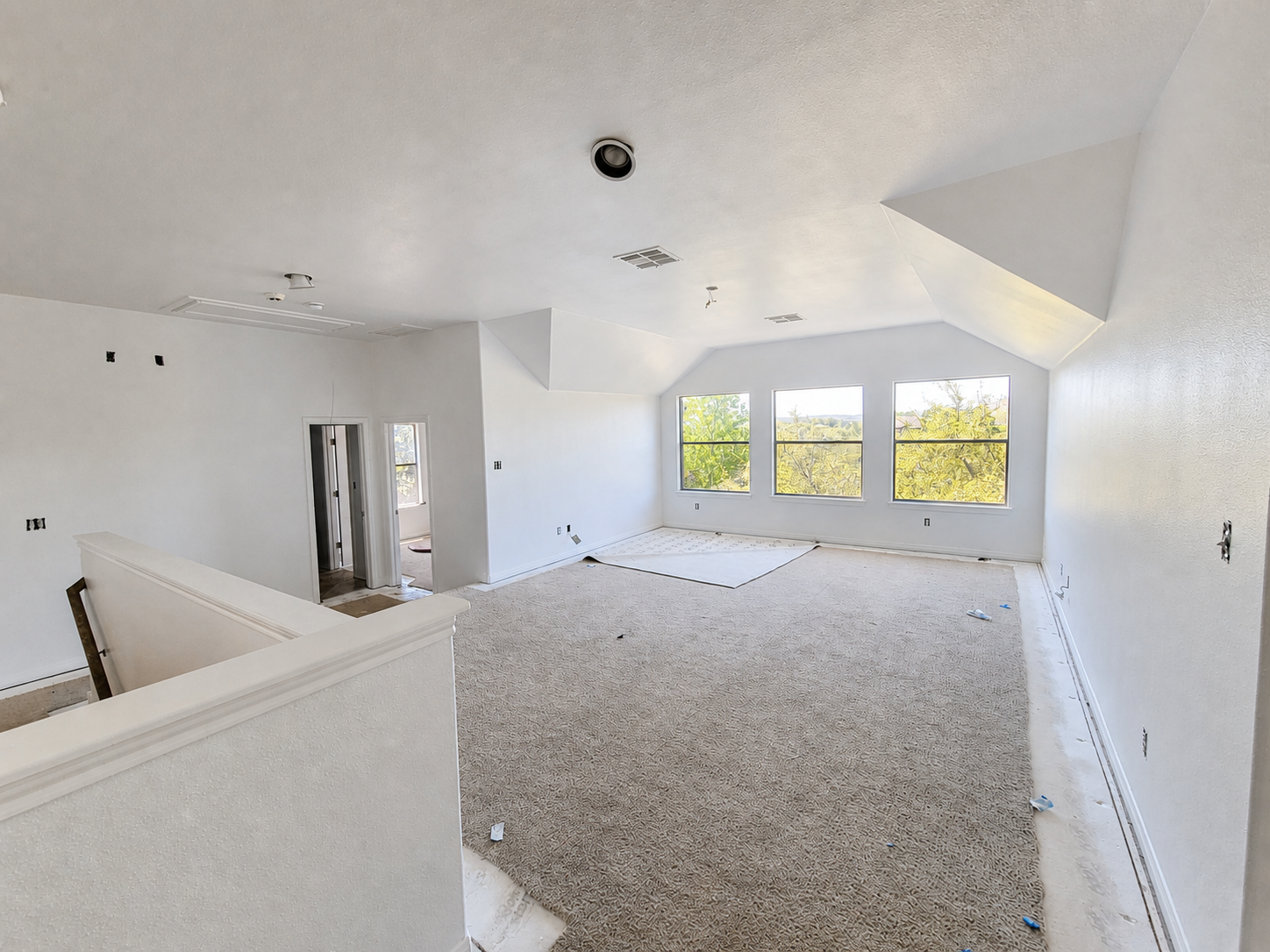
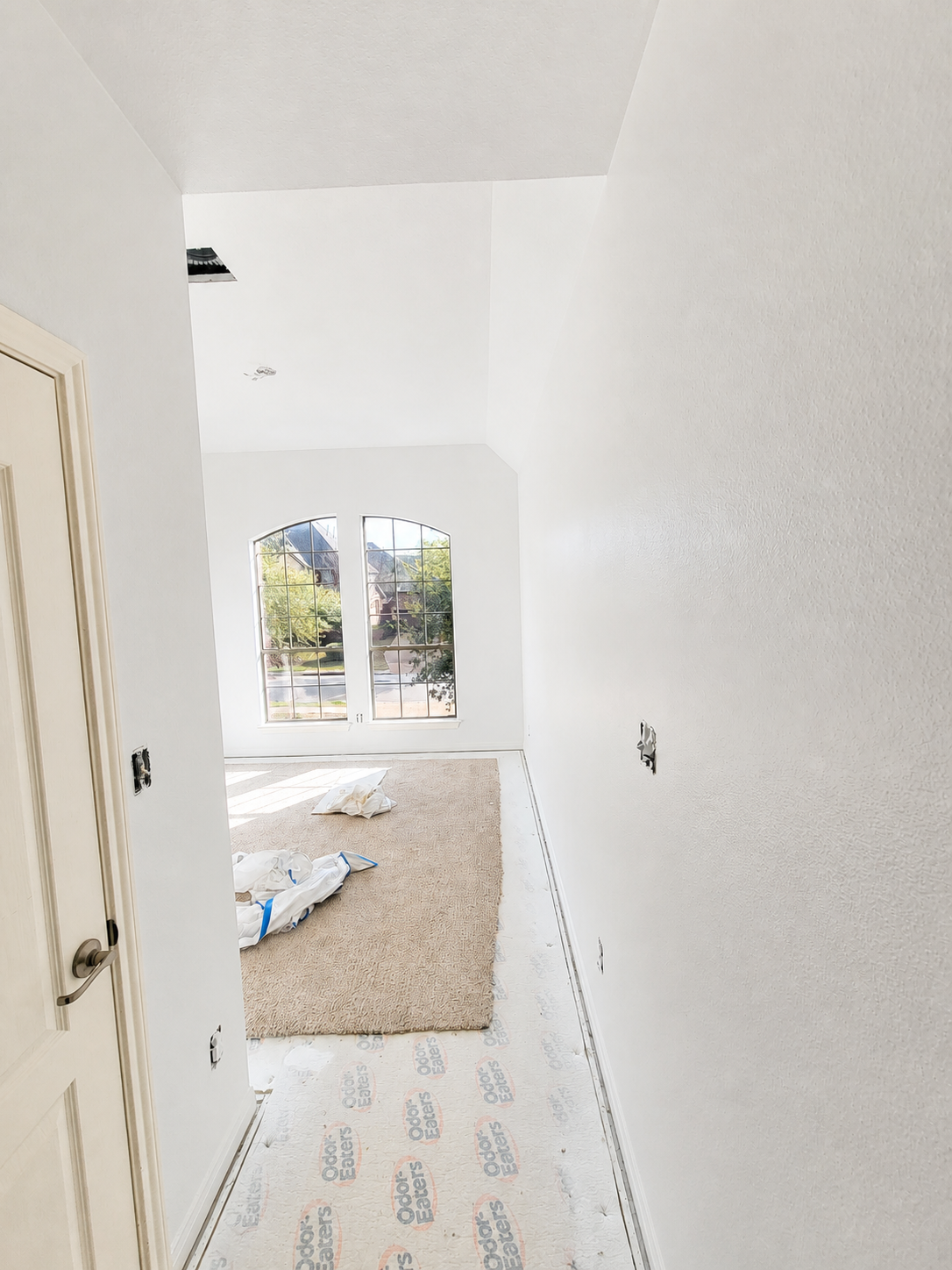
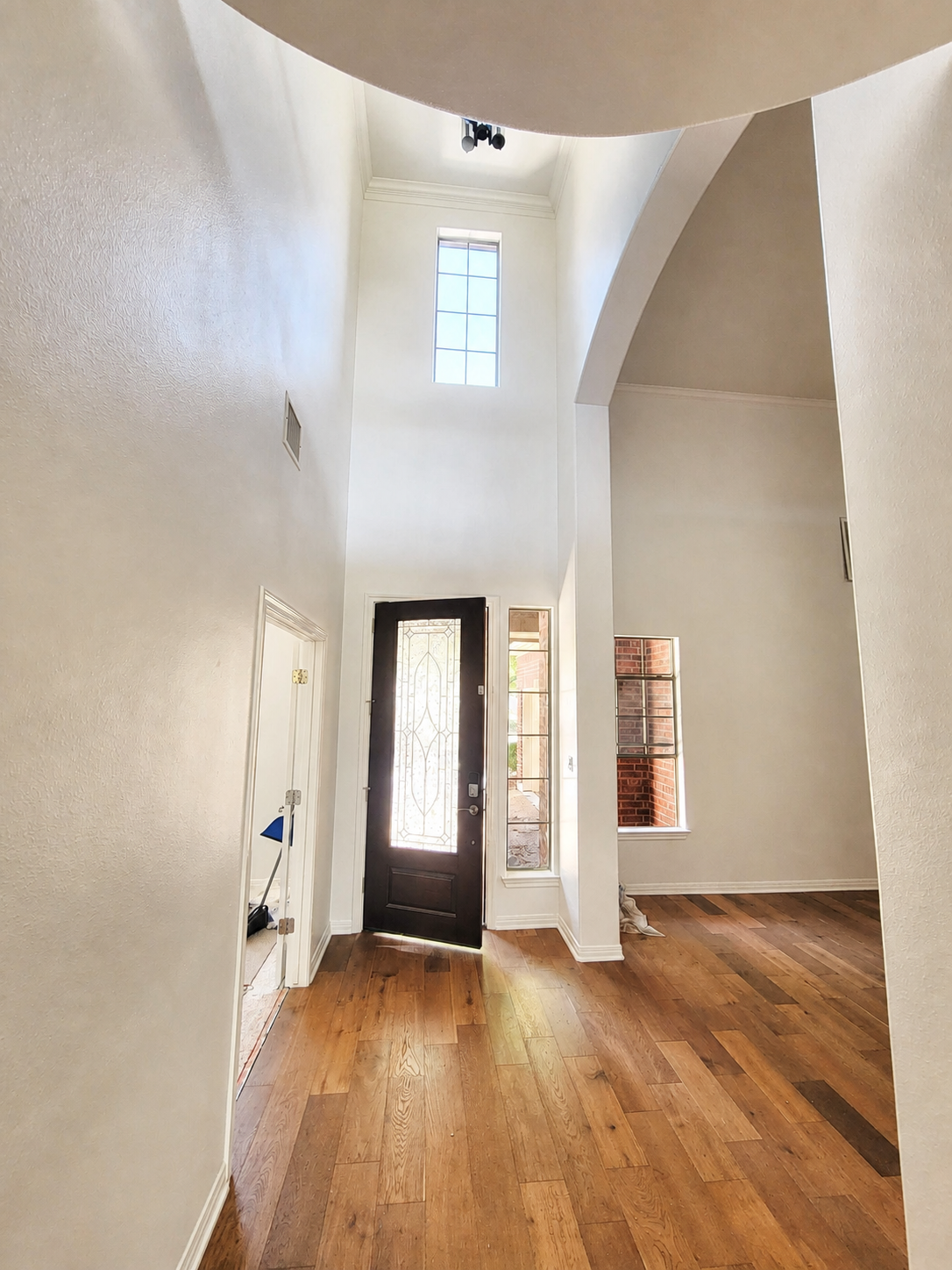
One recent project involved painting a home of approximately 2,400 square feet for about $8,000. The project required extra care because some ceilings were approximately 20 feet high, several areas were difficult to access, and the existing dark colors were being changed to lighter colors.
The home was empty, which made access and furniture protection more efficient. The project scope included protecting the floors, careful preparation and painting, and cleanup after the work. Depending on the surface and finish requirements, VAM Services LLC commonly works with Sherwin-Williams or Benjamin Moore products.
This is one project example, not a fixed price or universal rate. The same floor area can produce a different estimate when the ceiling height, wall condition, colors, access, furniture, or included surfaces change.
What changes the cost of interior painting?
The final price can vary significantly depending on the condition of the property and the exact scope. Square footage is only a starting point.
Number of coats and amount of paint
A major color change, poor existing coverage, stains, or very dark colors may require additional coats. More coats also mean more paint, more drying time, and more labor.
Wall and ceiling height
High walls, vaulted ceilings, stairwells, and areas requiring ladders or scaffolding increase labor time and setup requirements.
Wall cleanliness and condition
Dirty, greasy, stained, or heavily marked walls may require additional cleaning and preparation before paint can be applied properly.
Holes and wall damage
Nail holes, drywall anchors, screws, dents, cracks, damaged corners, and other drywall damage require additional repair and preparation.
Surface preparation
Uneven walls or areas requiring sanding, patching, skim coating, priming, or other preparation can increase the cost and change the schedule.
Whole-house painting vs. individual rooms
Painting an entire house usually allows labor and preparation to be organized more efficiently. Small individual rooms can have a higher cost per square foot because setup, masking, protection, cleanup, and travel time are still required.
Furniture and protection
Furnished homes normally require more labor because furniture may need to be moved, covered, and protected. The amount of masking and protection needed for floors, cabinets, countertops, fixtures, doors, trim, and other finished surfaces also affects labor.
Occupied vs. empty home
An empty house is generally faster and easier to paint than a fully furnished and occupied home. An occupied home may require phased work and additional daily setup and cleanup.
Trim, doors, baseboards, ceilings, and closets
Painting these items can significantly change the total project price compared with painting walls only. They should be listed clearly in the scope instead of being assumed to be included.
Paint quality and sheen
Product level and sheen affect material cost, appearance, washability, and how visible surface imperfections will be. The estimate should identify the product assumptions instead of hiding them inside a single number.
Empty vs. furnished house: why the scope changes
Empty or mostly empty
- Faster room access and setup
- Less furniture moving and covering
- Easier wall-to-wall workflow
- Often simpler scheduling before move-in
Furnished and occupied
- Furniture must be moved, grouped, and protected
- Floors, fixtures, and belongings need careful masking
- Work may be phased around daily routines
- Extra access time can affect labor
Tell the estimator whether the home is empty, partially furnished, or occupied. That single detail helps make the scope more realistic before work is scheduled.
Walls, ceilings, doors, and baseboards are separate decisions
“Paint the house” can mean very different things. Before comparing bids, define which of these are included:
- Walls: the most common repaint scope, with repairs and coats stated.
- Ceilings: may require different paint, access, stain blocking, or texture work.
- Doors and casing: more detail and masking around hardware and edges.
- Baseboards and trim: often require cleaning, sanding, caulk, and a durable finish.
- Built-ins, cabinets, and shelving: separate prep and finish requirements from ordinary walls.
VAM Services LLC’s Painting service page covers interior and exterior painting for walls, ceilings, doors, trim, baseboards, cabinets, shelving, homes, and fences.
What should be included in a painting estimate?
- Rooms and surfaces included
- Preparation, repairs, primer, and number of coats
- Paint brand/product level, color, and sheen
- Furniture moving and protection responsibilities
- Whether paint, sundries, cleanup, and touch-ups are included
- Access, timing, exclusions, and payment terms
A clear scope makes estimates easier to compare and reduces surprises. If the home needs drywall repair or texture matching before painting, ask for that work to be identified rather than assuming it is included.
How to get a more accurate Austin painting estimate
Send the project address, approximate square footage, rooms and surfaces, current condition, preferred colors, occupancy status, timing, and photos if available. Then schedule a walkthrough so the estimate reflects the actual preparation and access requirements.
VAM Services LLC provides free estimates for homeowners in Austin and nearby service areas. Use the Request a Free Estimate page to start the conversation.
Frequently asked questions
- How much does interior painting cost in Austin, TX?
- One published Austin cost guide places professional interior painting around $2–$6 per square foot of home floor area, but that is a third-party planning range—not a VAM Services LLC quote. Your estimate depends on the actual paintable surfaces, preparation, access, and selected scope.
- Is it cheaper to paint an empty house?
- Usually, an empty house is more efficient because the crew can move freely and spend less time protecting and working around furniture. A furnished home can still be painted safely, but moving, covering, and protecting items adds time to the scope.
- Does the estimate include paint?
- The estimate should state whether paint and other materials are included. Ask which surfaces, coats, primer, sheen, and product level are included so you can compare proposals accurately.
- Are ceilings, doors, and baseboards included?
- Not automatically. Walls, ceilings, doors, casing, trim, and baseboards should be listed separately or clearly defined in the scope. Adding these surfaces changes labor, preparation, and material requirements.
- How do I get an accurate painting estimate in Austin?
- Send VAM Services LLC the project address, approximate home size, rooms or surfaces to paint, current wall condition, preferred timing, and photos when available. A walkthrough allows the scope and estimate to reflect the actual home.
Planning sources: The floor-area examples above use a published third-party Austin planning range. ClearCost’s Austin–Round Rock–San Marcos guide is listed separately because it discusses actual wall or paintable surface area. These measurement methods are not interchangeable, and third-party ranges change over time.